

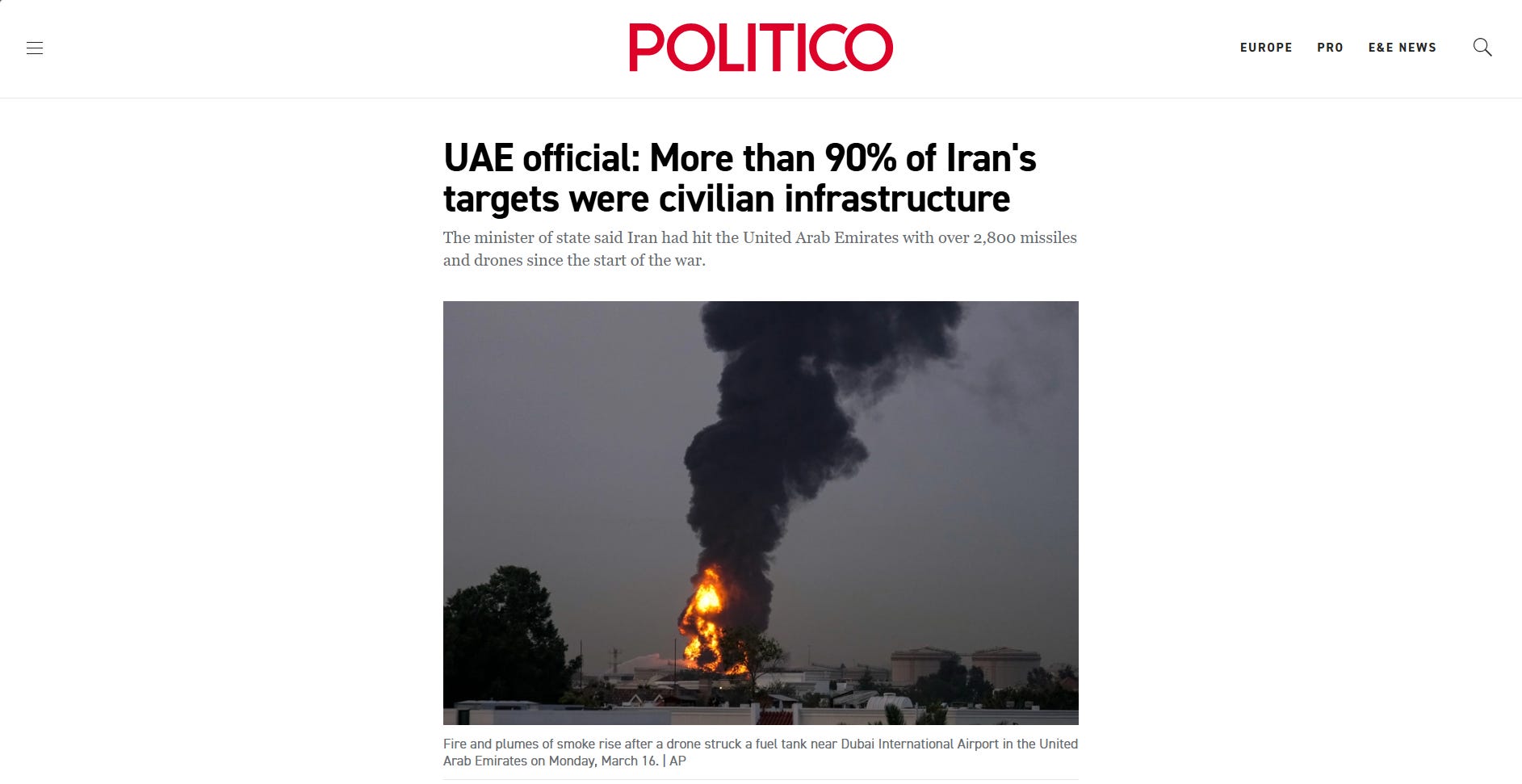
Halfway through Ramzan, the UAE was being bombed.
The conflict between the US and Iran had escalated in ways few had predicted, and the Emirates, a country that had spent decades building itself into a model of stability and commerce, found itself in the middle of it. Sirens, uncertainty and the particular anxiety of not knowing how bad it would get or how quickly loomed over residents’ head.
Running a fundraising campaign in that environment is not a straightforward call. The instinct, for many organisations, would be to pause, to pull back, go quiet, wait for the noise to settle. While we did pause from a brand and on-ground perspective, we decided to think carefully about who we were talking to and what they needed to hear on digital.
Two audiences, one Ramzan
The UAE Pakistani diaspora during those weeks was not a single, uniform audience. It split into two distinct psychological states, and a campaign that spoke to only one of them would have missed the other entirely.
The first group: people whose lives, practically speaking, continued. They went to work, they broke their fast with family, they worried (everyone worried) but the daily rhythm held - perhaps shaped by their experience from back home. For them, Ramzan was still Ramzan. The month’s obligations remained. Zakat still needed to be given. The disruption was real, but it had not dismantled the obligation of their lives. This audience needed the campaign to treat them normally. To show up with the same clarity, the same ask, the same creative it would have run in any other Ramzan. Pulling back from them would have been a disservice.
The second group: people for whom the conflict had activated something specifically religious. Uncertainty, fear, and proximity to violence have a well-documented effect on giving behaviour; they push people toward acts of spiritual significance. Zakat in that context is not just financial obligation. It is an anchor. A way of asserting continuity of faith when everything external feels unstable. This audience was not looking for a standard campaign. They were looking for meaning, and a cause that could carry the weight of that moment.
We purposely built for only one group, and we did it in a way that was understated - to give the user the respect to make their own decision without us pushing/nudging them. This was important, as at times the line between humanity and results are often blurred in the digital world. The algorithm stops for no one, and it falls on the humans behind it to showcase empathy.
The steady creative, direct, mission-led, factual, continued running for the first group.
For the second, while the messaging could have leaned into the spiritual significance of giving during a time of difficulty and the reward of Zakat in uncertain times, it frankly left a bad taste in our mouths. It’s important to step back (especially in the non-profit world) and ask, “are we being exploitive?” Hence we decided to forgo this.
Authenticity over celebrity
The UAE data produced one of the most decisive creative verdicts of the entire campaign. TCF founder’s direct appeal, a straightforward, personal, unproduced address to the audience, was 3x more cost-efficient than the celebrity creative.
The UAE diaspora donor is not easily impressed by fame. Many of them have built significant careers and businesses themselves. They live in a country that has more than its share of visible wealth and prominent names. A celebrity face in a fundraising ad does not carry the same social currency in Dubai that it might in other contexts. What the UAE donor responds to is directness and sincerity, someone speaking plainly about something they genuinely believe in, without the production values designed to signal importance.
The Pakistan connection
The UAE Pakistani diaspora gives to Pakistan differently from any other diaspora market. In the US or Canada or UK, Pakistan is a place of origin, visited, remembered, supported from a distance that has grown over decades. In the UAE, Pakistan is closer. Flights are under three hours. Many UAE-based Pakistanis have family visiting regularly, properties back home, businesses that straddle both countries. The emotional relationship with Pakistan is not nostalgic, but live.
Creative that connected the UAE donor directly to what was happening on the ground in Pakistan, the schools, the students, the specific communities being served, performed with a directness that reflected that proximity. This is not a market that needs Pakistan translated for them. They already know it. Show them the reality and trust that they recognise it.
Search in a distracted market
The UAE’s Search ROAS of 8x came entirely from branded keywords. Non-branded search, while active, returned at lower efficiency, consistent with a market that is still in the process of deepening brand recognition.
What was striking about the search data during the conflict period was its steadiness. While the environment outside was uncertain, search behaviour held. The donors who were looking for TCF continued looking for TCF. Intent, once formed, is more resilient than impression-based channels in a crisis. Social consumption patterns shift when people are anxious, they scroll more, engage less and are harder to reach with new information. But someone who has already decided to give and types a name into Google is completing a transaction they began before the sirens started.
Search held the campaign together during the weeks when social performance was harder to predict.
Operating in a crisis without exploiting one
There is an ethical line in fundraising during a conflict that deserves to be named directly. The temptation, when anxiety and generosity are both elevated, is to lean into the crisis itself, to frame the campaign around fear or urgency manufactured by external events rather than earned by the cause. That is exploitation. It works in the short term and destroys trust in the long one.
The approach in the UAE was the opposite. The conflict was acknowledged in the way you acknowledge any context that your audience is living through, with honesty and without theatrics. The campaign did not pretend nothing was happening. It also did not use what was happening as a fundraising lever. The mission stayed the mission: Children in Pakistan need education and that need does not change because of what is happening in the skies above Dubai.
The donors who gave during those weeks gave because of TCF, not because of the war. That distinction matters more than any conversion metric.
What the UAE teaches you about steady growth
The UAE delivered +26% website revenue growth and +24% paid revenue growth year over year. In a market operating during an active conflict for a significant portion of the season, those numbers reflect something beyond good campaign management. They reflect a donor base that has made a decision about this cause and acts on it regardless of circumstance.
Steady, reliable, year-on-year growth in a mature diaspora market is not the most exciting story in a campaign full of triple-digit growth figures. But it is one of the most valuable. It means the foundation is real and the trust is there. It means the next Ramzan starts from a higher base.
Build that kind of reliability in a market and it stops being a campaign you run every year and instead becomes a relationship you maintain.
-Moebin